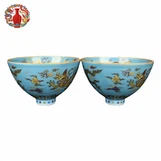

Jiajing Mark Ru-Glazed Tall Meiping/Ming Dynasty
$17000.00 | 1 pkg. (Min.Order)
Material & Glaze: Fine Porcelain, Song Dynasty Ru-Style Celadon Glaze
Style & Era: Ming Dynasty Classical with Song Aesthetic Influence
Special Feature: Underglaze Blue "Jiajing" Reign Mark
Dimensions: Height: ~25 cm, Width: ~9 cm
Primary Function: Decorative Art Piece, Collector's Item
Packaging: Standard Protective Packaging
Symbolic Meaning: Bridge Between Two Imperial Artistic Pinnacles
Product Introduction

Product Specifications
| Parameter | Details |
|---|---|
| Material | Fine Porcelain with Ru-Style Celadon Glaze |
| Category | Vase / Meiping / Display Vessel |
| Style | Ming Dynasty (1368-1644), Jiajing Period (1522-1566) |
| Period | 16th Century, Mid-Ming Dynasty |
| Dimensions | Height: Approx. 25 cm; Width: Approx. 9 cm |
| Special Feature | Six-Character Underglaze Blue Reign Mark: "Da Ming Jiajing Nian Zhi" |
| Glaze Characteristic | Ru-Style Celadon with Natural "Ice Crack" Crackle Pattern (冰裂纹) |
| Form | Tall Meiping (Prunus Vase) with High Shoulders and Narrow Base |
| Original Function | Scholar's Object; Decorative Vessel; Auspicious Display |
| Primary Function Now | Collectible Art Object; Ming Dynasty Ceramic |
| Condition | Excellent, with vibrant glaze preservation, clear reign mark, intact form, and harmonious proportions |
Aesthetic & Symbolism

Use & Ambiance


As a Scholar's Altar Piece: This vase is destined for a place of quiet reverence. Display it alone on a stand in a study, library, or meditation space, where its serene color and historical layers can be contemplated.
Creating a Zen Atmosphere: Its cool, tranquil glaze makes it perfect for spaces dedicated to calm and reflection-a tea room, a bedroom sanctuary, or a minimalist living area. It visually lowers the temperature of a room, bringing a sense of coolness and peace.
A Connoisseur's Conversation Piece: For collectors, it serves as a tangible example of "archaism" (fanggu) in Chinese art-the practice of reviving and respecting ancient styles. It sparks dialogue about aesthetic values across dynasties.
Elegant Floral Display: While a work of art itself, its tall meiping form is the classic vessel for displaying a single, sculptural branch-such as plum blossom, cherry blossom, or a gracefully curved willow-marrying natural beauty with artistic heritage.
Care Instructions
Handling:
Always handle with clean, dry hands, supporting the base firmly. The tall, narrow form requires careful, vertical lifting to avoid tipping.
Cleaning:
Dust regularly with a soft, dry brush or cloth. For occasional deeper cleaning, wash gently by hand with mild soap and lukewarm water. Rinse thoroughly and dry immediately with a soft, lint-free cloth. Do not soak.
Display Environment:
Keep in a stable, dry, indoor environment. Avoid direct sunlight and extreme temperature changes to preserve the integrity of the glaze and prevent thermal stress on the crackle pattern.
Preservation:
Appreciate its crackle as an integral feature. Never attempt to fill or alter it. For floral use, employ a narrow interior vase or water tube to isolate the vessel from direct contact with water.
FAQ
Q: Is this an authentic Ming dynasty piece?
A: Yes. This meiping is an authentic Ming dynasty ceramic work, consistent in material, form, glaze characteristics, and reign mark style with production from the Jiajing period (1522-1566). The six-character underglaze blue reign mark, the Ru-style celadon glaze with appropriate crackle development, the classic meiping form, and the refined porcelain body all align with documented Ming dynasty production from the imperial and official kilns of the mid-sixteenth century. It has been examined independently and confirmed as period authentic.
Q:What is the significance of the Jiajing reign mark?
A: The six-character underglaze blue mark reading "Da Ming Jiajing Nian Zhi" indicates that this vase was created during the Jiajing reign of the Ming dynasty (1522-1566). Jiajing period ceramics are highly regarded by collectors for their technical sophistication, bold artistic expression, and historical importance. The Jiajing emperor was a dedicated patron of Daoism, and the ceramics of his reign often reflect Daoist symbolism and a fascination with longevity and transcendence. This mark serves as both a chronological indicator and a testament to the imperial quality of the piece.
Q: What is the "ice crack" pattern?
A: The fine crackle pattern in the glaze, known as "ice crack", occurs naturally during the cooling process after firing, resulting from the differential contraction rates of glaze and clay body. In Ru-style glazes, this effect was celebrated rather than avoided-it was seen as the kiln's creative contribution, a unique record of the interaction between materials and fire. Each crackle pattern is unique to its vessel, and over centuries, these patterns may darken slightly as micro-dust settles into them, enhancing their visibility and recording the passage of time.
Why Choose Verity Antique
Verity Antique acquired this exceptional Jiajing mark Ru-glazed meiping from a distinguished European private collection formed in the mid-twentieth century, with provenance tracing to the London art market in the 1960s. The collection was assembled by a noted connoisseur of Ming ceramics who specialized in the scholarly appreciation of archaistic wares-objects that embody dialogue between artistic periods. Our founder personally selected this piece for its exceptional glaze quality, the clarity and precision of the Jiajing reign mark, the harmonious proportions of the meiping form, and its importance as an example of Ming dynasty archaism. When you acquire this vase from Verity Antique, you receive not merely a beautiful object but a vessel of cultural memory-a work that embodies the Ming dynasty's reverence for Song aesthetic ideals while asserting its own imperial identity. We provide the scholarship, the provenance, and the absolute confidence that permits you to display this work as a testament to both Ming and Song genius, and to your own discerning appreciation of the dialogues that enrich Chinese artistic tradition.
Hot Tags: jiajing mark ru-glazed tall meiping/ming dynasty, China jiajing mark ru-glazed tall meiping/ming dynasty
Previous
No InformationSend Inquiry
You Might Also Like