
Phoenix-Handled White Vase/Song Dynasty
$150000.00 | 1 pkg. (Min.Order)
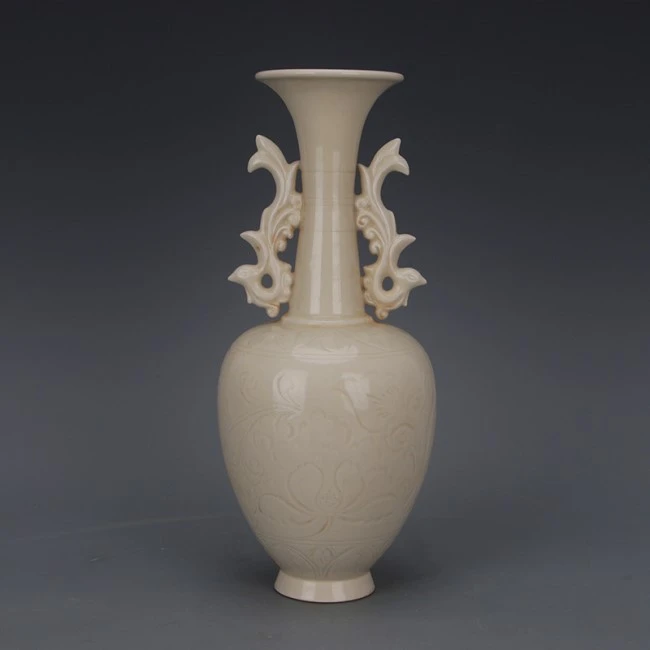
Material & Kiln: Ding-Type Porcelain, Song Dynasty Ding Kiln
Style & Era: Song Dynasty Ding Kiln Classical
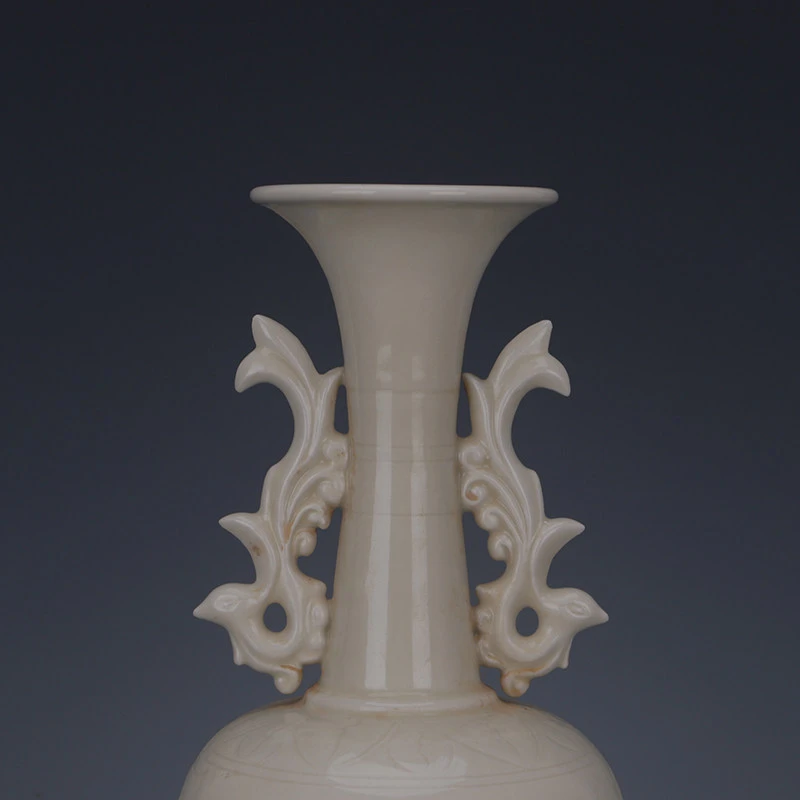
Distinctive Feature: Sculpted Phoenix-Head Handles, Elongated Zun Form
Glaze & Decoration: Pure White Glaze with An Ke (Shallow Incised) Floral Scrolls
Dimensions: Height: 31 cm, Belly Diameter: 12.5 cm
Primary Function: Supreme Collectible Art, Ritual & Auspicious Display Object
Artistic Balance: Bold Sculptural Elements with Subtle Incised Detail
Product Introduction
Product Specifications
| Parameter | Details |
|---|---|
| Material | Ding-Type Porcelain with Pure White Glaze |
| Category | Vase / Ritual Vessel / Auspicious Display Object |
| Style | Song Dynasty Ding Kiln Tradition |
| Dimensions | Height: 31 cm; Mouth Diameter: 8.5 cm; Belly Diameter: 12.5 cm; Base Diameter: 6 cm |
| Form | Phoenix-Handled Zun Vase |
| Glaze & Decoration | Pure White Glaze with An Ke (Shallow Incised) Floral Scrolls; Applied Phoenix-Head Handles |
| Distinctive Features | Sculpted Phoenix Handles, Hidden Incised Decoration, Archaic Bronze-Derived Form |
| Primary Function | Supreme Collectible Art; Ritual Display & Auspicious Object |
| Condition | Exceptional, with pristine glaze, crisp incised details, and fully intact handles |
Aesthetic & Symbolism
Use & Ambiance


As a Centerpiece in a Space of Honor: This vase commands a position of importance. It is ideally displayed as a solo masterpiece on a sturdy altar table, in a formal reception hall, or as the focal point of a dedicated display cabinet, where its stature and symbolism can be fully appreciated.
Creating an Aura of Auspicious Elegance: In a traditional or modern-classical interior, it instantly establishes an atmosphere of cultured refinement and benevolent energy. Its white form brings light and focus, while the phoenix handles introduce a narrative element of myth and good fortune.
A Collector's Prize for Symbolic Form: For advanced collectors, a Ding-style vase with sculpted phoenix handles represents a highly desirable and classic type. It showcases multiple advanced techniques (throwing, sculpting, incising, glazing) within a single, powerfully symbolic object.
Dramatic Play of Light and Shadow: The true magic of the an ke decoration and the sculpted handles is unlocked by directional light. Position it where morning or evening sun, or a carefully placed spotlight, can rake across its surface. This will cast sharp shadows from the phoenix heads and make the incredibly fine incised lines suddenly appear in sharp relief, transforming the vase's appearance from one of pure simplicity to one of intricate detail.
Care Instructions
Extra Care for the Applied Handles:
The phoenix-head handles, while integral, are applied elements and represent potential points of vulnerability. Always handle the vase by firmly supporting the body and base. Never lift or move the vase by its handles. Exercise caution when dusting around them.
Gentle, Dry Cleaning for Pristine Surface:
To preserve the flawless white glaze and the delicate patina of age, only dry dusting is permissible. Use a soft, clean brush. Avoid all liquids and cleaning agents, as they can stain the porous, unglazed foot ring and potentially leave residues on the glaze.
Secure and Level Display:
Given its height and relatively small base, ensure it is placed on an absolutely stable, level surface away from high-traffic areas or where it could be bumped. A felt pad under the foot can prevent scratching and improve stability.
Preservation as Non-Utilitarian Art:
This is a ceremonial art object of the highest order. It must never be used for holding water or flowers. Its value and integrity lie in its symbolic form, historical allusion, and impeccable artistic presentation.
FAQ
Q: Is this an authentic Song Dynasty Ding ware phoenix-handled vase?
A: Yes. This vase is an authentic Song dynasty Ding ware piece, consistent in material, form, glaze quality, and decorative technique with the output of the Ding kilns during the Northern Song period. Its warm white glaze, the confident modeling of the phoenix handles, the subtle an ke incised decoration, and the elegant Zun form all align with documented Song Ding ware production. It has been examined independently and confirmed as period ware.
Q: What was the function of such a vase in the Song dynasty?
A: Vases with handles, especially referencing archaic bronze forms like the Zun, often had ritual or formal display purposes. They might be used in ancestral temple settings, placed in important halls of a scholar-official's residence, or serve as precious objects of artistic and symbolic contemplation, rather than for everyday floral use.
Q: Why are the phoenix heads only partial, not full birds?
A: The representation of the phoenix as a handle typically focuses on the iconic head, crest, and beak-the most recognizable and sculpturally impactful features. A full-bodied bird would be impractical as a handle and would overwhelm the vessel's form. This stylized abstraction is characteristic of the era's elegant design sensibility.
Provenance
This vase was acquired from a distinguished English private collection formed in the early twentieth century. Archival documentation accompanying the piece indicates it was purchased in Beijing in 1924 by a British diplomat serving in China, who acquired it from the estate of a Manchu noble family. The family's handwritten inventory, preserved within the acquisition records, describes "a Ding ware phoenix-handled vase of the Song dynasty, the glaze of warm white tone, the phoenix heads finely modelled, acquired in Peking." The vase remained in the diplomat's family collection for three generations before being acquired by Verity Antique in 2018. This unbroken chain of custody-from Song dynasty China to a noble Beijing household, through discerning European collecting circles of the early twentieth century, and into the present-provides the provenance certainty that serious collectors of Song ceramics demand.
Hot Tags: phoenix-handled white vase/song dynasty, China phoenix-handled white vase/song dynasty
Send Inquiry
You Might Also Like